
Every evening, a version of the same scene plays out at the door: a parent, bag in hand, asking "so, how was she today?" Behind that small question is a much bigger one. When a parent leaves their child with you, they're trusting you with the most important person in their life — and they spend the day quietly wondering how it's going.
Meeting that need well isn't just good manners. Partnership with parents is a cornerstone of Síolta and Aistear, and the evidence backs it: an OECD review of early years settings found that effective family engagement improves children's socio-cognitive outcomes and helps narrow developmental gaps — especially for children who have fewer learning opportunities at home. Strong communication builds trust, supports the child's learning, and — in a sector that runs on word of mouth — quietly fills your waiting list.
What parents are actually asking
The headline question is "how was the day?", but underneath it parents want a few specific things:
- Did they settle? Especially in the early weeks, "was she upset?" is the unspoken worry.
- Did they eat and sleep? The practical rhythms that shape the evening at home.
- Who did they spend time with, and what did they do? A sense of the day, not just a verdict.
- Is there anything I should know? A bumped knee, a new word, a friendship forming.
What they don't want is to feel like they're prying, or to get only "grand, yeah, fine" at a busy pickup.
Why the pickup conversation isn't enough
Pickup is the worst possible moment for a real update. The room is busy, the educator who knows the child best might be on a break, and a tired parent is juggling a toddler and a car seat. Important details get lost — and the parents who most need reassurance, like anxious new families, tend to get the least. The OECD review makes the same point: settings that engage families through several channels meet diverse needs far better than those relying on one.
The services that do this well share the day as it happens, so the door conversation becomes a lovely extra rather than the only channel.
Sharing the day without the workload
The fear, understandably, is that "more communication" means more work for already-stretched educators. It doesn't have to. A few principles keep it sustainable:
- Capture once, share with the right people. A short note or photo logged against a child should reach that child's family automatically — no separate texts after hours.
- Make it part of the routine, not an extra task. Updates that happen alongside the day's normal activities stick; a separate "comms job" at 5pm doesn't.
- Respect privacy by default. Each family should see their own child, and only their own child.
How Meadow helps
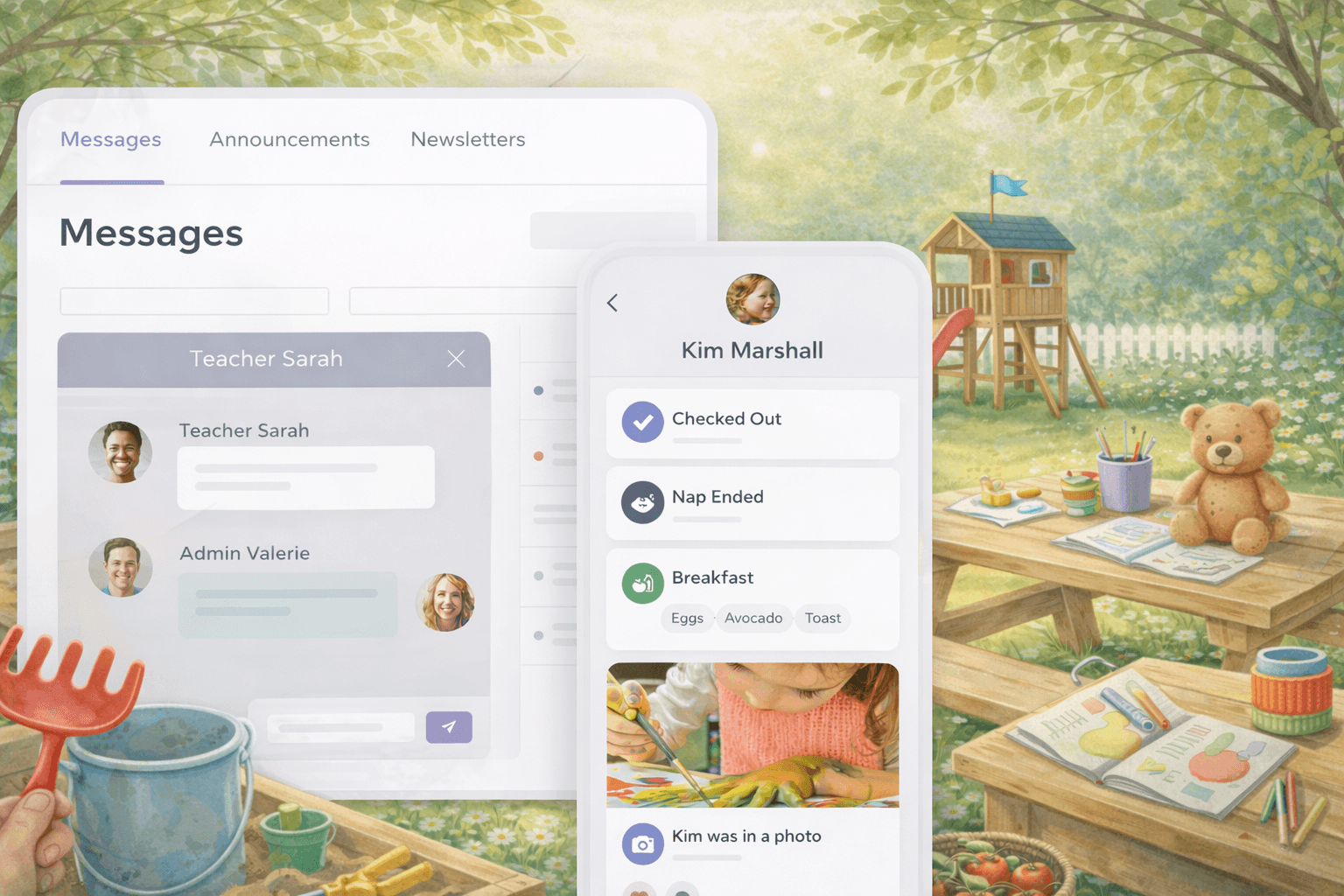
Meadow connects families to their child's day directly. When you invite a child's parents and family, they join with access scoped to that child — never the whole service. They follow their child's activity feed, see updates as the day unfolds, and feel genuinely included without anyone working a second phone at pickup.
Because access is tied to the child's contacts, you stay in control: parents see their own children, family members see the children they're linked to, and staff-only information stays with staff. It's the kind of everyday, multi-channel partnership Síolta and Aistear ask for — made practical.
The payoff is real and compounding. Families who feel informed worry less, trust more, and tell other parents — which is how the best-run services stay full.
Want to bring parents closer to their child's day? See how parent access works or get in touch.